
Strengthen Your Building With Commercial Metal Roofing in Port St. Lucie, FL
A commercial roof needs to protect the building while supporting the way the property is used every day. Offices, warehouses, retail locations, multifamily buildings, and other commercial facilities can have different roof configurations and operating requirements. When an existing roof reaches the point where replacement makes sense or a building needs a new roofing system, metal roofing offers property owners a durable option with several design choices.
St. Lucie Roofing provides commercial metal roofing in Port St. Lucie, FL, for applicable business and commercial properties. Our work includes commercial metal roof installation and replacement with standing seam and 5V-crimp systems. Customers can compare roofing profiles, fastening methods, colors, and finishes when choosing materials for their buildings.
Metal roofing can be particularly useful for property owners who want to combine roof protection with a distinct finished appearance. Standing seam roofing features raised seams and concealed fasteners that create clean architectural lines. 5V-crimp roofing offers a more traditional metal roof profile with exposed fasteners. Understanding these differences can help property owners narrow their options based on the building and project goals.
Commercial roofing projects also require planning around the activity below the roof. A warehouse may contain inventory and equipment, while an office can remain occupied by employees. Retail properties may continue serving customers, and multifamily buildings can have residents using the property. Access, scheduling, and active areas should be considered before roofing work begins.
For replacement projects, the condition of the existing roof also influences the scope. Existing roofing materials can be removed as required, and damaged roof decking can be addressed when identified during the process. The building can then be prepared for the selected metal roofing system.
If you are considering a new metal roof for your commercial property, call St. Lucie Roofing to compare available systems and plan your installation or replacement.
Compare Metal Roofing Systems for Your Commercial Building
Not every metal roof uses the same panel design or fastening method. Commercial property owners can compare different systems according to the building configuration, desired appearance, project requirements, and budget. Standing seam and 5V-crimp roofing provide two distinct options for applicable commercial properties.
Our commercial metal roofing work can include:
- Commercial metal roof installation: Install metal roofing on applicable commercial buildings based on the roof configuration, selected system, and project requirements.
- Commercial metal roof replacement: Replace an aging or deteriorated roofing system with metal roofing when replacement is the appropriate next step.
- Standing seam metal roofing: Choose raised metal panels with concealed fasteners for a clean architectural appearance on applicable commercial buildings.
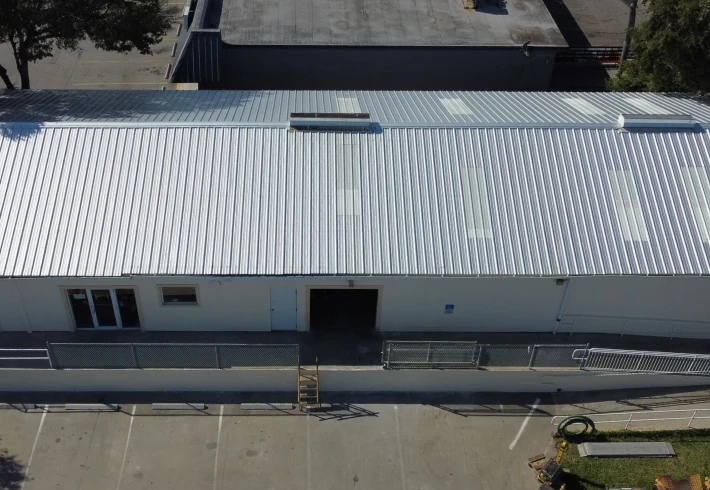
- 5V-crimp metal roofing: Select a traditional metal roof profile with exposed fasteners for applicable commercial roofing projects.
- Multiple colors and finishes: Compare available metal roofing colors and finishes to find an option that complements the building exterior.
- Warehouse metal roofing: Plan metal roofing for applicable warehouse properties while considering equipment, inventory, access, and daily operations.
- Retail metal roofing: Coordinate installation or replacement around applicable retail properties where customer access and normal activity may continue.
- Office metal roofing: Plan roofing work around occupied office buildings while considering employees, entrances, and building access.
- Multifamily metal roofing: Address applicable metal roofing needs while accounting for residents, shared areas, and property access.
- Product and warranty information: Review available roofing samples, product details, and applicable warranty information before selecting materials.
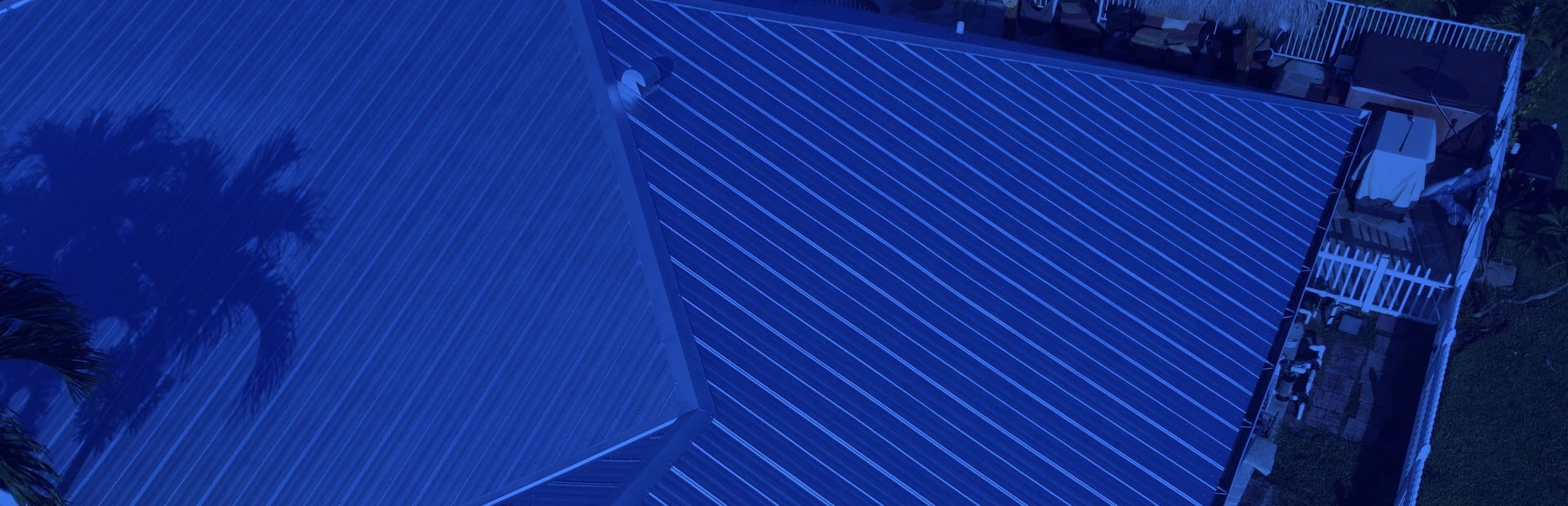
Standing seam metal roofing offers a streamlined appearance created by raised seams and concealed fasteners. For commercial property owners who prefer clean roof lines, this system can provide an attractive option while retaining the characteristics of metal roofing.
Plan Your Commercial Metal Roof Installation or Replacement
Commercial metal roof installation should begin with a clear understanding of the property. The roof configuration, existing system, building activity, access, and selected materials can all affect how the project is planned.
When an existing commercial roof has widespread deterioration, recurring leaks, storm-related damage, or repeated repair needs, replacement may become more practical than continuing to address individual problems. A new metal roof gives property owners an opportunity to select a different system while addressing the existing roofing surface as a whole.
Commercial metal roof replacement can involve removing existing materials as required. Once the old roofing is removed, underlying conditions can be reviewed. If damaged roof decking is identified, affected areas can be addressed before the new metal roofing system is installed.
Customers can then compare standing seam and 5V-crimp roofing. Standing seam uses concealed fasteners and raised seams, while 5V-crimp uses exposed fasteners and a traditional panel profile. Available colors and finishes provide additional choices for coordinating the roof with the building exterior.
Commercial projects should also account for what happens inside and around the property. Warehouse roofing work may need to consider stored inventory, equipment, loading areas, and employee access. Retail projects can require coordination around customers and entrances. Office properties may remain occupied throughout the project. Multifamily buildings can require consideration of residents and shared spaces.
These conditions do not change the need for roofing work, but they can influence scheduling and access. Planning around the building’s use helps account for daily operations while the roofing project moves forward.
