Protect Your Building With Commercial Flat Roofing in Port St. Lucie, FL
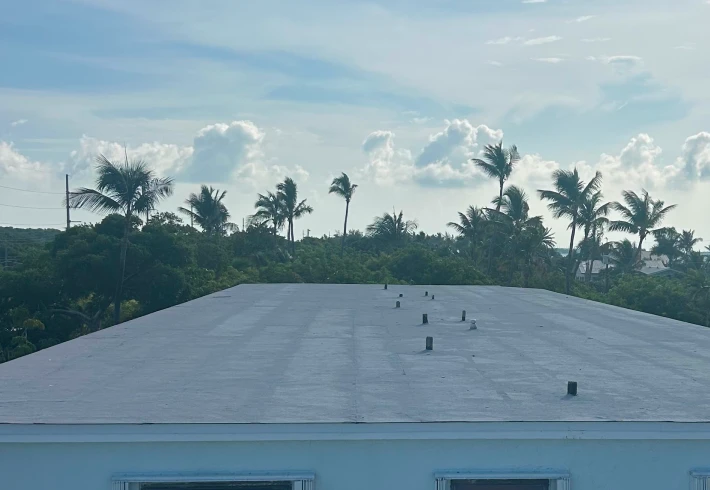
Commercial flat and low-slope roofs require careful planning because water moves across these roofing systems differently than it does on steep-slope roofs. Drainage areas, flashing, penetrations, and the condition of the roofing surface all play a role in keeping the building protected. When one of these areas develops a problem, water may remain on the roof or find a vulnerable opening that leads to leaks inside the property.
St. Lucie Roofing provides commercial flat roofing in Port St. Lucie, FL, for businesses, warehouses, retail properties, offices, multifamily buildings, managed properties, and other applicable commercial facilities. Our work includes flat roof installation, replacement, repair, flashing work, drainage evaluation, and attention to roof penetrations.
Commercial buildings can present different roofing needs depending on their layout and daily use. Warehouses may have large roof areas and equipment or inventory below. Retail buildings and offices may remain active during roofing work. Multifamily properties can require consideration of residents and shared areas. Planning the roofing work around these conditions helps account for access and normal activity at the property.
The condition of the existing roof determines whether repair or replacement should be considered. Localized leaks, flashing problems, or isolated damaged areas may be suitable for repair when the surrounding roofing system remains serviceable. Widespread deterioration, recurring water intrusion, or repeated problems across multiple areas may make commercial flat roof replacement a more practical option.
Address Flat Roof Leaks, Drainage, and Damaged Areas
Flat roofing problems often involve water movement. Because commercial flat and low-slope roofs have limited pitch, drainage areas need to move rainfall away from the surface effectively. When water remains on the roof or roofing components deteriorate, vulnerable areas can become more exposed to water intrusion.
A commercial roof leak does not always reveal its source from inside the building. Water can enter around flashing, penetrations, damaged roofing materials, or other affected areas before becoming visible below. Evaluating the roofing surface and related components helps clarify what may need attention.
Our commercial flat roofing work can include:
- Commercial flat roof installation: Install flat or low-slope roofing on applicable commercial buildings based on the property, roof configuration, and project requirements.
- Commercial flat roof replacement: Replace an aging or deteriorated roofing system when widespread wear or recurring problems make continued repairs less practical.
- Commercial flat roof repair: Address localized roofing damage when the affected area and surrounding roofing system remain suitable for targeted repair.
- Leak evaluation and repair: Review visible signs of water intrusion and affected roofing areas to determine where applicable repair work may be needed.
- Drainage evaluation: Review visible drainage conditions that may contribute to slow-moving or standing water on the roofing surface.
- Ponding water concerns: Evaluate areas where water remains on the roof and consider how the visible roofing and drainage conditions relate to the issue.
- Flashing repairs: Address damaged or deteriorated flashing around vulnerable roof areas where water intrusion may occur.
- Roof penetration work: Evaluate roofing around vents and other penetrations where damaged materials or surrounding components may create vulnerable areas.
- Damaged roofing areas: Correct applicable localized deterioration or damage before the affected area becomes more extensive.
- Repair-versus-replacement evaluation: Consider the overall condition of the roof when determining whether targeted repairs or broader replacement should be considered.
Commercial properties add practical considerations to these roofing needs. A warehouse may contain inventory or equipment directly beneath the roof. Water entering a retail property can affect customer areas or merchandise. Offices may have employees working below the affected section, while multifamily properties may have residents occupying the building.
Repair can make sense when a roofing problem remains concentrated in one area. For example, damaged flashing or an affected penetration may be addressed without replacing the entire roof when surrounding conditions support repair. This allows the work to focus on the roofing component causing the immediate concern.
Plan Commercial Flat Roof Repair or Replacement
Choosing between commercial flat roof repair and replacement requires consideration of the roofing system as a whole. The number of affected areas, frequency of leaks, visible deterioration, drainage conditions, and previous repair needs can all influence the decision.
A localized problem may be suitable for repair when the surrounding roofing remains serviceable. Addressing damaged flashing, an affected penetration, or a limited section of roofing can correct the immediate concern without replacing materials that remain functional.
Replacement becomes worth considering when problems are no longer isolated. Recurring leaks, widespread roofing deterioration, repeated drainage concerns, or damage across several portions of the roof may indicate that a new system is a more practical option.
Commercial flat roof replacement can include removal of existing roofing materials as required. Once the old system is removed, underlying conditions can be reviewed and damaged roof decking can be addressed when necessary. Flashing, penetrations, and visible drainage conditions should also be considered while planning the replacement.
The building’s daily use matters as well. Commercial roofing work may need to account for employees, tenants, residents, customers, equipment, inventory, and access. Planning these factors before work begins can help coordinate the project around the property’s normal activity.
Florida rainfall makes drainage particularly important for low-slope roofing. Ponding water or slow drainage can leave portions of the roof exposed to moisture for extended periods. These conditions should be reviewed alongside the roofing surface so the project addresses the visible concerns affecting the system.